
A Brief History on Old Florida Homes
From the citrus trade, the phosphate industry, & the Florida land boom of the 1920’s, there was a substantial investment into cities like Lakeland, Bartow, Winter Haven, & Lake Wales. The families that moved here were innovators, meaning their homes had to follow suit. The homes they lived in were designed by trained architects who demanded quality & expected it to last. From this, these homes were built with intention.
The region attracted true architectural talent. Frederick Law Olmsted Jr. designed the grounds of Bok Tower in Lake Wales & Frank Lloyd Wright built his Florida Southern College campus in Lakeland. Local architects like Wilbur Talley, Charles Wait, and Edward Hosford were designing civic buildings and residences that still anchor their neighborhoods today. It was archichects like these that trickled into the homes surrounding those landmarks, & many of those homes are still standing strong to this day for us to enjoy.
The Styles You'll Find
Mediterranean Revival (1920's-1940's): Red barrel tile roofs, smooth stucco exteriors, arched doorways & windows, wrought iron accents, & often an interior courtyard or loggia designed to catch a breeze. These homes were built during the land boom when developers & buyers alike wanted something romantic & distinctly Floridian.
Colonial Revival (1930's-1950's): Symmetrical facades, front porticos, shuttered windows, & either brick or wood siding. These homes brought a sense of East Coast formality to Central Florida & were favored by the county's professional class. They tend to have thoughtful layouts & a curb presence that stands timeless.
Mid-Century Modern (1950's-1960's): After World War II, Florida architects brought new concepts to the table. The result was a style built around horizontal lines, open floor plans, carports instead of garages, floor-to-ceiling windows, & a deliberate blurring of the line between inside & outside. If you love the aesthetic, these homes are having a genuine cultural moment right now, and the best ones in this market haven't been fully discovered yet.
Architects Who Left Their Mark
Frank Lloyd Wright designed the Florida Southern College campus in Lakeland beginning in 1938: the largest single-site collection of Wright architecture in the world. His ideas about organic design, horizontal planes, and the relationship between a building & its landscape shaped how an entire generation of Florida architects thought about residential design.
Frederick Law Olmsted Jr. brought his father's genius for landscape to Lake Wales when he designed the grounds of Bok Tower Gardens. His work is a reminder that in Polk County, the land itself was always part of the design.
Edward Columbus Hosford designed the Old Polk County Courthouse in Bartow, now the Polk County History Center, along with numerous civic & residential buildings throughout the region. His Classical Revival courthouse has stood since 1909, and still looks like it was built to last forever.
Wilbur B. Talley & Charles R. Wait were among the most active local residential architects of the early & mid-20th century. Their work appears in Lakeland's historic neighborhoods & reflects the transition from revival styles toward more modern sensibilities.
Lawrence Brown & Edward B. Stratton shaped the architectural character of the county's southern cities, particularly Haines City, bringing Mission & Colonial Revival design to communities that were growing rapidly during the boom years.
Gene Leedy was one of the founding figures of the Sarasota School of Architecture & spent much of his career working out of Winter Haven. He believed Florida's climate & landscape should drive every design decision. The result was homes & buildings that were open, efficient, & deeply connected to their surroundings. His influence on mid-century residential design in Polk County is significant & still underappreciated.
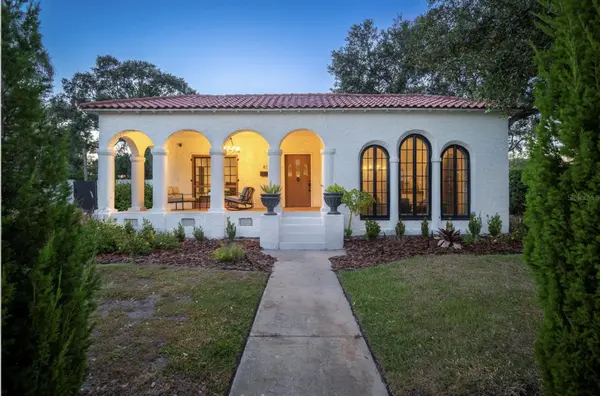
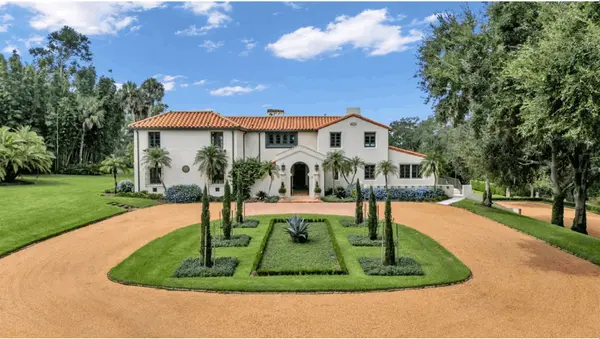
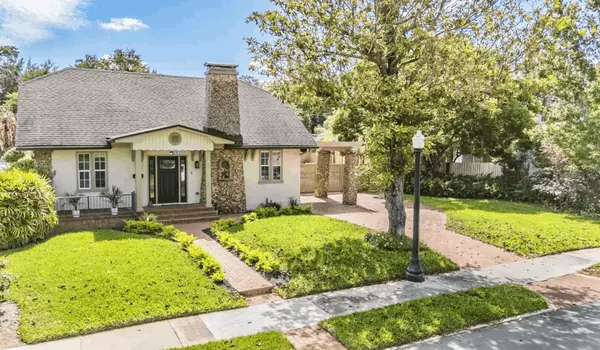
LET'S FIND YOUR OWN OLD FLORIDA HOME
Homes available, built from 1976 & before, for you to claim as your future home
- 1/35 35
 7 Beds 4 Baths 2,385 SqFt$2,200,000Active
4706 COUNTY ROAD 557A, Polk City, FL 33868
Listed by David Small KELLER WILLIAMS REALTY SMART 1
Single Family Home

- 1/80 80
 4 Beds 4 Baths 3,062 SqFt$1,950,000Active
7 LAKE HOLLINGSWORTH DR, Lakeland, FL 33803
Listed by Kim McKeel KELLER WILLIAMS REALTY SMART
Single Family Home
- 1/85 85
 5 Beds 6 Baths 5,865 SqFt$1,800,000Active
1760 OLD EAGLE LAKE RD, Bartow, FL 33830
Listed by Mike Hamic KELLER WILLIAMS REALTY SMART
Single Family Home
- 1/68 68
 6 Beds 6 Baths 5,340 SqFt$1,749,000Active
2300 N SCENIC HWY #37E, Lake Wales, FL 33898
Listed by Rhonda Heath MOUNTAIN LAKE CORPORATION
Single Family Home
- 1/81 81
 5 Beds 5 Baths 4,047 SqFt$1,650,000Active
2109 CAMBRIDGE AVE, Lakeland, FL 33803
Listed by Maggie Olivera KELLER WILLIAMS REALTY SMART
Single Family Home
- 1/45 45
 4 Beds 4 Baths 3,776 SqFt$1,400,000Active
WHAT YOU NEED TO KNOW BEFORE YOU BUY AN OLDER HOME
For a home built before 1970, electrical panels, plumbing, and roofing are the three things that will cost you the most if they're overlooked. Be sure to look out for knob-and-tube or aluminum wiring in electrical & Cast iron drain lines and galvanized supply pipes in your plumbing. Foundation settling is normal in a home that's been standing for 60+ years, but there's a difference between normal and structural: make sure your inspector knows how to tell the gap.
Restoring an original wood window properly costs more than replacing it with vinyl, but it's usually the better long-term choice for both the home & its' character. Original plaster repair, period-appropriate hardware, & working with contractors who understand older materials all carry a premium. None of this is a reason not to buy: it's just a reason to go in clear-eyed about what you're committing to.
If you're buying something that needs a real restoration, look into FHA 203(k) rehabilitation loans, which are specifically designed for this. Fannie Mae's HomeStyle Renovation loan is another option worth knowing about. Talk to a lender experienced with older or non-standard properties before you get too far into the process.